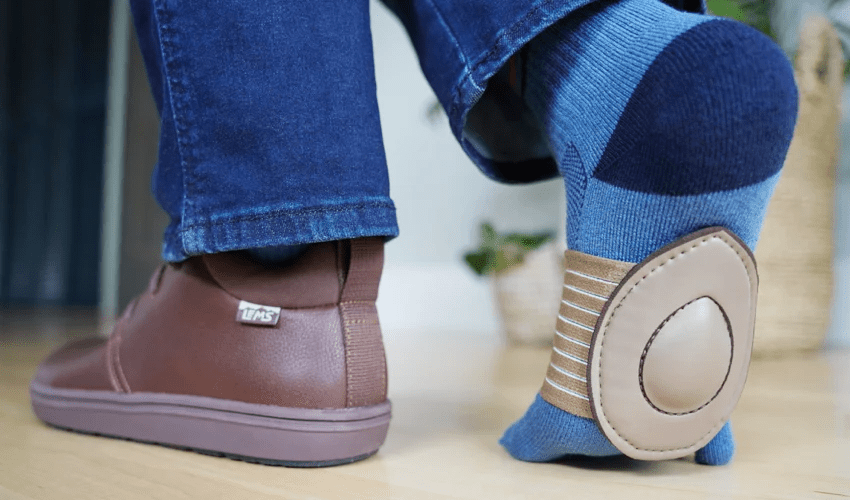
There is very little that is more frustrating than foot pain. When every step sends a sharp jolt or a burning sensation through the ball of your foot, your entire world shrinks. You stop saying yes to walks with friends, you dread your morning commute, and even standing in line at the grocery store becomes a test of endurance.
I hear this complaint so often. That feeling like you are walking on a pebble, or the nagging ache right behind your toes (often called metatarsalgia), can feel relentless. But I want you to know that you don’t have to just “live with it.” Restoring your natural, pain-free stride is absolutely possible. Over the years, I’ve looked at countless remedies, and I’ve found that a combination of the right support and some simple lifestyle tweaks can make all the difference.
Here are five effective ways to take the pressure off your feet and get back to moving with confidence.
1. Support the Arch to Relieve the Forefoot
When we think of “front foot pain,” we naturally want to cushion the ball of the foot. While cushioning is important, the root cause is often a lack of support elsewhere. If your arch collapses, your foot elongates and puts excessive pressure on the metatarsal heads (the ball of the foot).
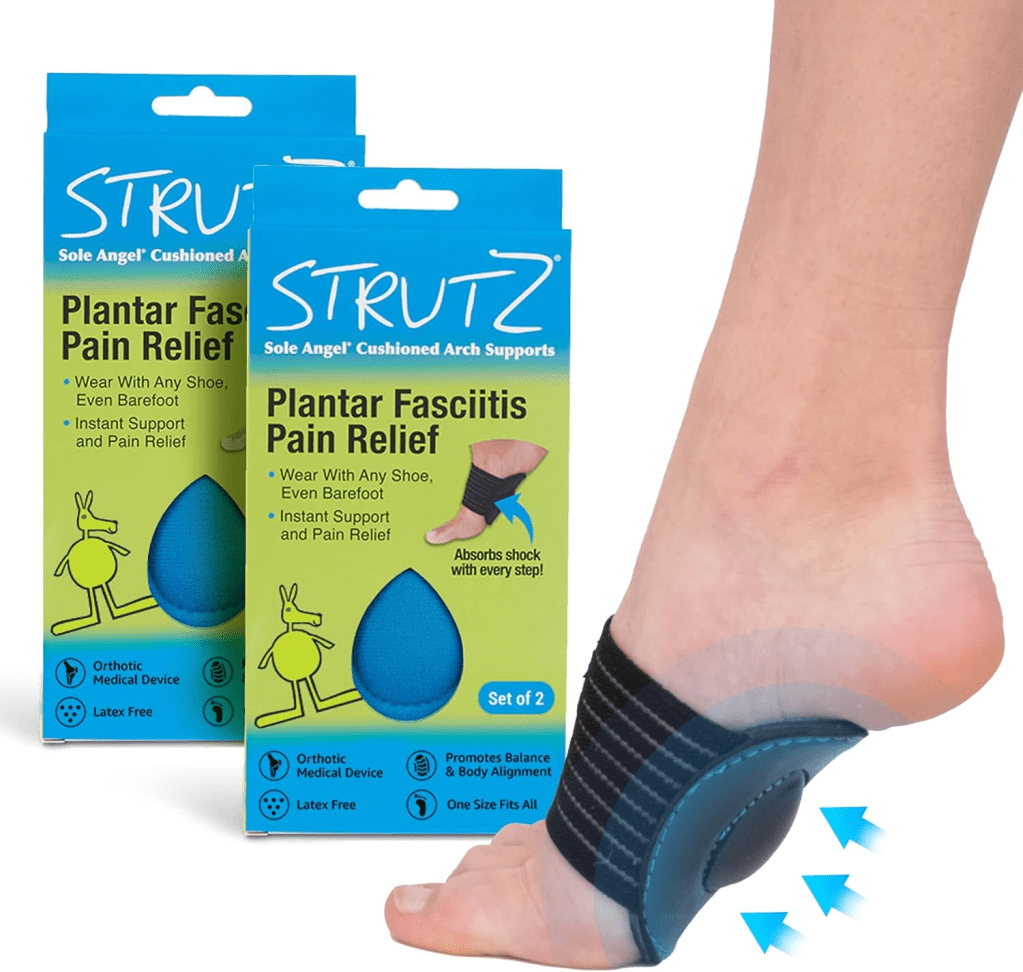
This is why simple gel pads often fail—they cushion, but they don’t correct the mechanics. After trying various supports, one solution I have been consistently impressed with is the Strutz Sole Angel – The Original Patented Arch Support and Compression Technology.
What I appreciate about the Strutz Sole Angel is that it takes a holistic approach to foot mechanics. It isn’t just a pad; it uses compression and a built-in shock-absorbing core to lift the arch. By supporting the arch, it naturally alleviates the heavy load that usually dumps into the ball of your foot.
- It’s versatile: Unlike bulky insoles, you can wear these with almost any shoe, or even while barefoot around the house.
- It targets the source: By combining compression with arch support, it helps with Plantar Fasciitis as well as metatarsal pain, addressing the whole foot’s health.
- It’s comfortable: The breathable band keeps it in place without cutting off circulation, making it easy to wear all day.
2. Prioritize a Wide Toe Box
Even the best metatarsal pads or supports can’t do their job if your shoes are fighting against them. Modern fashion often dictates a tapered toe box, which squeezes your toes together. This compression prevents your metatarsals from spreading naturally when you step, exacerbating pain and inflammation.
Take a look at your current daily shoes. If the shape of the shoe is narrower than the shape of your actual foot, it’s time for a change. Look for footwear labeled “wide toe box” or “anatomical fit.” Giving your toes room to splay acts as a natural pressure release valve for the ball of your foot.
3. The Frozen Water Bottle Roll
Inflammation is the enemy of healing. When the tissues around your metatarsal heads are inflamed, they are swollen and sensitive, making every step painful. A simple, at-home therapy I always recommend is the frozen water bottle roll.
Freeze a standard plastic water bottle. Once frozen, place it on the floor (over a towel to catch condensation) and gently roll the sole of your foot over it for 10 to 15 minutes. The ice reduces inflammation, while the rolling action provides a gentle massage that stretches the plantar fascia and creates space in the foot structure. It is a wonderful way to end a long day on your feet.
4. Loosen Your Calves
You might be wondering, “What do my calves have to do with the ball of my foot?” The answer is: everything. The body is a kinetic chain. When your calf muscles are tight, they limit the range of motion in your ankle. To compensate for this tight ankle, your foot is forced to lift the heel earlier in your walking stride, which loads a massive amount of weight onto the ball of your foot prematurely.
Incorporating a simple calf stretch against a wall, keeping your heel flat on the ground, can reduce this forefoot loading significantly. Try to stretch gently for 30 seconds on each leg, three times a day.
5. Reintroduce Activity Gradually
Finally, once you have your Strutz Sole Angel and better shoes, resist the urge to immediately go for a five-mile run. Your foot tissues need time to adapt and heal.
Think of your recovery like a dimmer switch, not an on/off switch. Start with short walks on soft surfaces (like grass or a track) rather than concrete. Listen to your body. If the pain starts to creep back in, it’s a signal to rest, ice, and elevate. Patience here pays off in the long run, preventing the cycle of re-injury.
Summary
Foot pain can feel isolating, but it doesn’t have to be permanent. By mechanically supporting your foot with the right gear like the Strutz Sole Angel, ensuring your shoes allow for natural movement, and treating the inflammation with stretching and ice, you can reclaim your mobility.
You deserve to walk through your day without wincing. Why not start today by checking your shoe fit and trying out a simple calf stretch? Your feet will thank you.
Disclaimer: The information in this article is for educational purposes only and is not intended to be a substitute for professional medical advice, diagnosis, or treatment. Always seek the advice of your physician or another qualified health provider with any questions you may have regarding a medical condition.
 Be Well Theory
Leave a comment