
There is perhaps no sound more distressing to a new parent than the pained, high-pitched cry of a baby struggling with gas. It often happens in the middle of the night, you see their tiny legs scrunching up, their face turning red, and you can just feel how uncomfortable they are. If you are frantically searching for how to remove gas from stomach instantly for infants, please take a deep breath. You are not doing anything wrong, and you are certainly not alone.
Gas is an incredibly common part of being a baby simply because their little digestive systems are brand new and still learning how to function. While seeing your baby in distress is heartbreaking, the good news is that there are gentle, effective ways to help them find relief. Below, I’ve put together a few of my most trusted methods to help soothe that tummy trouble and bring peace back to your home.
1. Support the Gut from the Inside Out
When we think of gas relief, we often think of physical movements first. However, one of the most proactive ways to manage gas and colic is by addressing the root cause: a developing gut microbiome. A baby’s digestive tract is still maturing, and sometimes it needs a little help balancing the good bacteria required to break down food without creating excess gas bubbles.
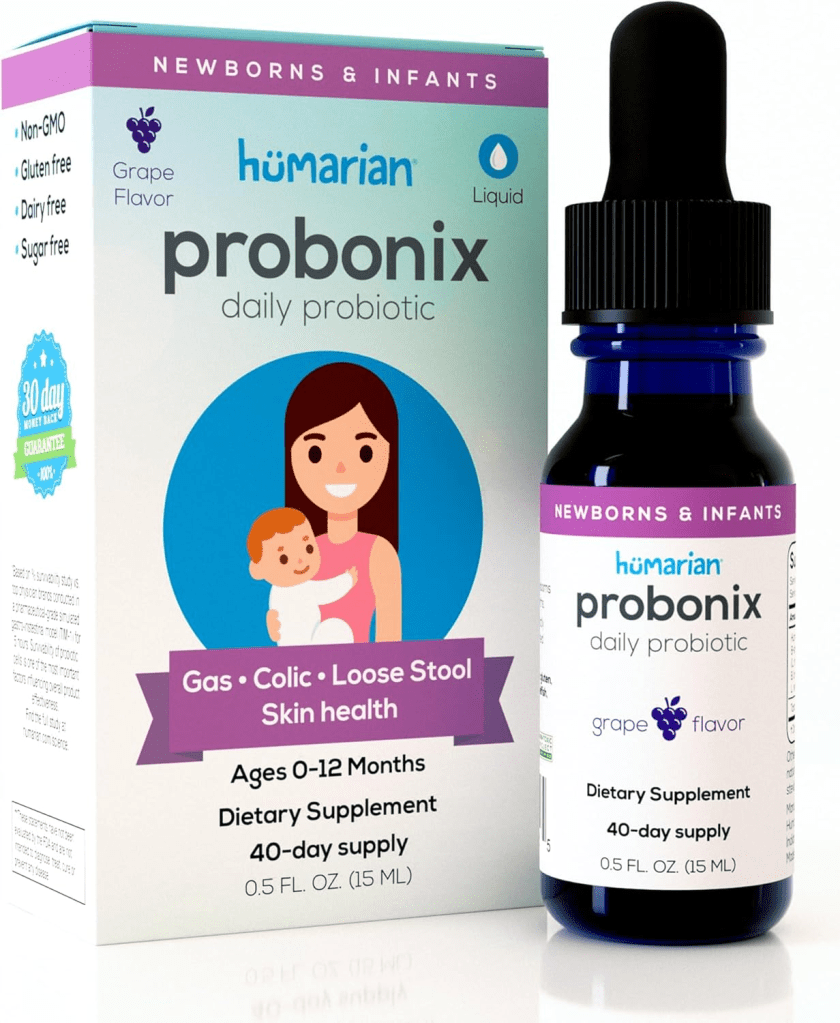
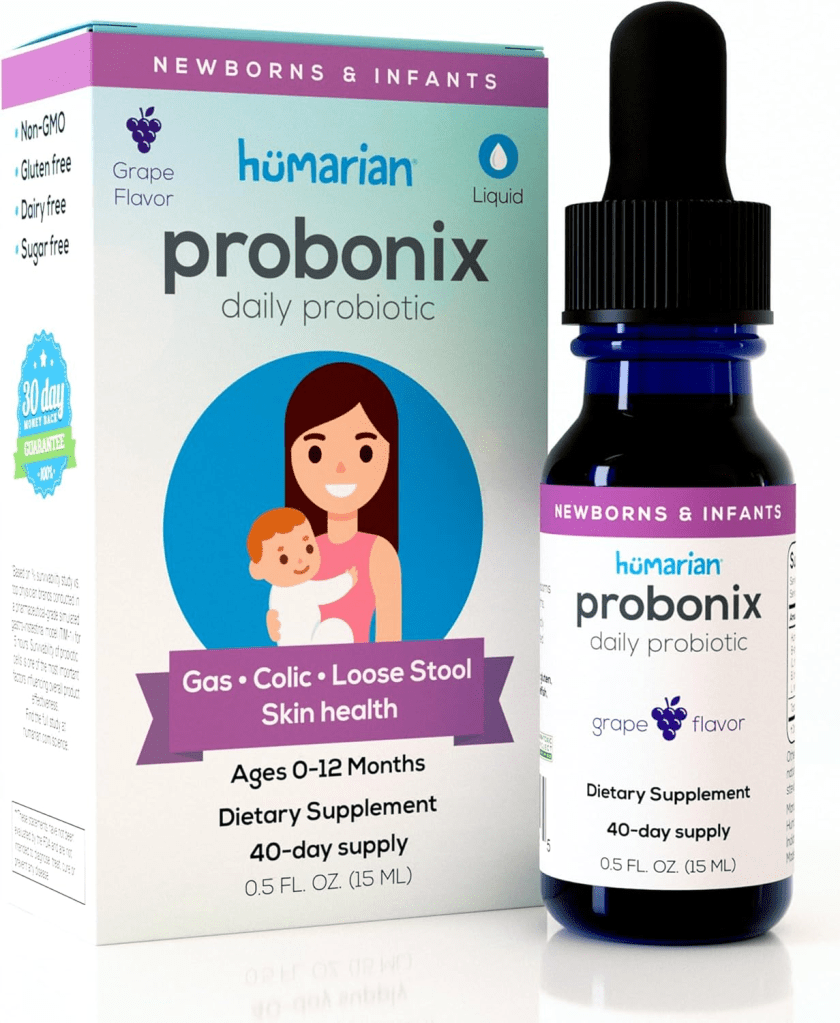
After looking into various solutions for gut support, one option that really stands out for its thoughtful formulation is Humarian Probonix for Newborns and Infants 0-12 Months.
What makes this particular option so helpful for gassy babies isn’t just that it’s a probiotic, but how it delivers the support:
- It actually survives: Many probiotics are destroyed by stomach acid before they can do any good. Probonix uses a proprietary acid coating that helps the culture survive the journey to the gut, making it significantly more bioavailable and effective at balancing the tummy.
- It’s incredibly easy to use: You don’t have to struggle with powders or large doses. It requires just 6 drops a day, which you can drop directly onto their tongue or mix into unheated breastmilk or formula.
- It targets the issue: It is specifically formulated to help with common infant issues like gas, colic, and lactose intolerance by promoting a healthy immune response and better digestion.
By helping to balance your baby’s gut flora, you aren’t just treating the symptom; you’re helping their system handle digestion more smoothly in the long run.
2. The “Bicycle Legs” Technique
If your baby is squirming and crying in the moment, they likely have a gas bubble trapped in their intestines that they can’t push out on their own. This classic technique is a parent favorite because it manually helps move things along.
Lay your baby on their back on a firm, safe surface. Gently hold their ankles and move their legs in a slow, cycling motion, as if they were pedaling a bicycle. Do this for several seconds, then gently push both knees toward their tummy (being careful not to press too hard) and hold for a moment. This combination of movement and gentle pressure can often work that stubborn gas bubble through the system.

3. Master the “Colic Carry”
Sometimes, gravity and warmth are your best friends. The “Colic Carry” (also known as the “Tiger in the Tree”) uses the pressure of your arm against the baby’s tummy to provide relief.
To do this, lay your baby face down along your forearm, with their head resting near your elbow and your hand supporting their diaper area (or clasping their thigh). Use your other hand to rub their back gently. The pressure on their abdomen combined with the warmth of your arm can be incredibly soothing for a cramping stomach and often helps release gas quickly.

4. Practice Paced Feeding and Burping
Prevention is often the best cure. Babies frequently swallow air while feeding, whether from a bottle or the breast. If they gulp milk too quickly, they gulp air with it.
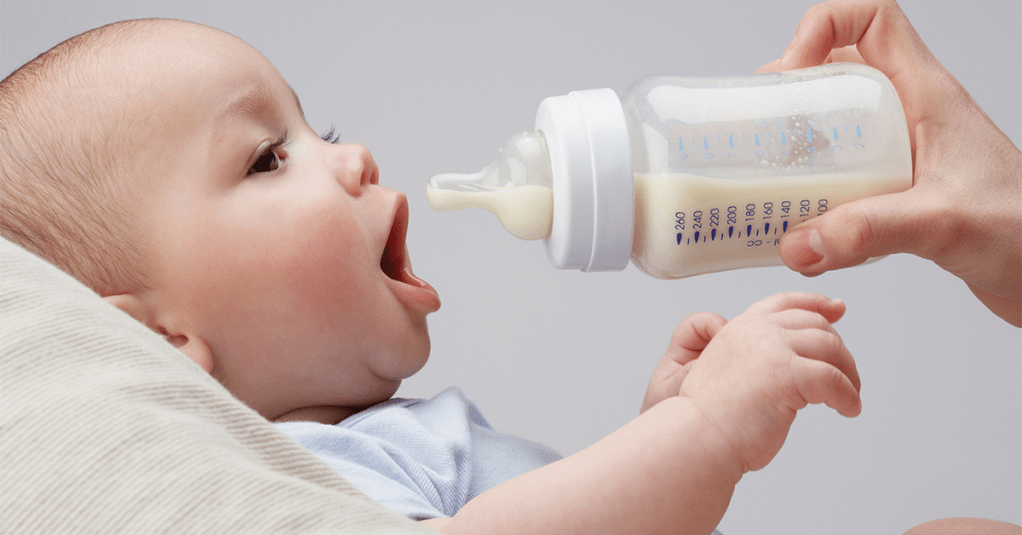
Try to keep your baby’s head higher than their tummy during feeds. If you are bottle-feeding, ensure the nipple is full of milk so they aren’t sucking air. Most importantly, don’t wait until the end of the feed to burp them. Try pausing halfway through the feed to burp your baby. This allows them to release air before it travels down into the intestines where it becomes painful trapped gas.
Conclusion
Navigating these early months of parenthood is a journey filled with both immense joy and challenging sleepless nights. Seeing your baby in pain is never easy, but remember that gas is a temporary phase of their development. It does get better.
By combining immediate physical relief techniques like the bicycle motion with long-term gut support strategies, you are giving your baby the best possible chance at a comfortable, happy tummy. Trust your instincts, be patient with yourself, and know that with these tools in your back pocket, you are well-equipped to handle the next fussy episode with confidence.
 Be Well Theory
Leave a comment